
Understanding the psychological triggers behind gambling behavior
The Allure of Gambling: Why Do People Play?
Gambling captures the imagination of many due to its combination of excitement, risk, and the potential for reward. One psychological trigger is the thrill of uncertainty; this unpredictability often leads to a heightened state of arousal. For instance, games like poker or slots provide moments of suspense that can be addictive. Similarly, many people find themselves drawn to sites like Vegasnow, where excitement is just a click away. The emotional rollercoaster—oscillating between hope and despair—engages players deeply, making them crave more excitement.

Another compelling factor is the social aspect of gambling. Many individuals are drawn to casinos or online platforms not just for the games but for the community surrounding them. The camaraderie among players can enhance the overall experience, creating a sense of belonging. Social interactions, whether in physical casinos or through online chat features, often contribute to a feeling of connection, which can further encourage gambling behaviors.
Finally, the promise of financial gain serves as a strong motivational force. The concept of winning big is deeply ingrained in popular culture, often glamorized in films and media. This aspiration can lead players to believe they can achieve wealth quickly and easily, igniting a desire to engage in gambling activities. As players experience wins, even small ones, it reinforces their belief in the possibility of future success, fostering a cycle of repetitive gambling behavior.
Psychological Triggers: The Role of Cognitive Biases
Cognitive biases significantly influence gambling behavior by distorting a player’s perception of risk and reward. One common bias is the “illusion of control,” where players believe they can influence the outcome of games purely based on skill. For example, poker players often rely on their perceived abilities to outplay opponents, which can lead to overconfidence and excessive betting. This skewed perspective not only impacts decision-making but can also lead to increased gambling frequency.
The “gambler’s fallacy” is another cognitive bias that plays a critical role. This fallacy suggests that past outcomes affect future probabilities, leading players to believe that a win is due after a series of losses. For example, someone might think that a slot machine is “due” for a payout after several unsuccessful attempts. This belief can cause individuals to gamble more than they intended, as they chase what they perceive as a “long-awaited” win, ultimately fueling compulsive gambling behavior.
Lastly, the tendency to seek out confirmation of one’s beliefs further entrenches these cognitive biases. Gamblers may focus on their wins while dismissing their losses, creating a distorted sense of success. This selective memory reinforces their desire to continue playing, as they are more likely to remember the exhilarating highs than the sobering lows. Over time, this can lead to a compulsive gambling pattern that is difficult to break.
The Emotional Rollercoaster: The Impact of Mood on Gambling
Emotions significantly influence gambling behavior, acting as both triggers and consequences of play. Many individuals turn to gambling as a means of escaping negative feelings, such as stress, anxiety, or depression. The transient highs that come from winning can serve as a temporary relief, giving players a momentary sense of euphoria. This link between gambling and emotional relief can lead to a cyclical pattern where individuals increasingly rely on gambling to cope with their mood swings.
Conversely, positive emotions can also heighten gambling tendencies. When individuals are in a good mood, they might be more likely to take risks, viewing gambling as a fun and entertaining way to celebrate their happiness. This phenomenon is evident during social gatherings or celebrations where gambling games are present. The confluence of positive emotional states and the excitement of gambling can lead to impulsive decisions, often resulting in significant losses.
Moreover, the aftermath of gambling—whether it’s a win or a loss—can profoundly affect one’s emotional state. Wins may bolster confidence and lead to increased risk-taking, while losses can result in feelings of shame and regret. This emotional fluctuation can create a strong dependency on gambling, as individuals seek to chase the initial high or recover from the lows. This delicate balance between emotional wellbeing and gambling behavior is crucial in understanding why many struggle with this addiction.
The Role of Environment: How Setting Influences Behavior
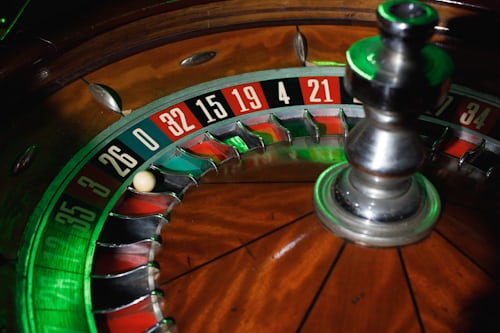
The environment in which gambling occurs plays a pivotal role in shaping behavior. Physical casinos are designed to be alluring, with bright lights, captivating sounds, and an atmosphere that stimulates excitement. These sensory experiences create an environment conducive to prolonged gambling sessions. Players may lose track of time and money spent, as the immersive environment encourages them to play longer. The layout of casinos is often intentionally structured to promote continuous play, with easy access to food and drink.
Online gambling platforms also capitalize on environmental factors, utilizing engaging graphics and interactive features that mimic physical casinos. These websites often employ gamification techniques, such as rewards and loyalty programs, to enhance user engagement. The convenience of gambling from home can further exacerbate compulsive behavior, as individuals can gamble at any hour without physical constraints. This accessibility can lead to increased time spent gambling and, subsequently, higher financial losses.
Additionally, social contexts can modify gambling behavior. Friends and family can either encourage or discourage gambling habits. In environments where gambling is normalized or celebrated, individuals may feel more inclined to participate. Social pressures can make it difficult to resist the urge to gamble, leading to participation even when one might otherwise abstain. Understanding how environment influences decision-making is vital for addressing problematic gambling behavior and promoting healthier choices.
VegasNow Canada: A Gateway to Responsible Gambling
VegasNow Canada offers an exciting online gaming experience tailored for Canadian players, emphasizing both fun and responsible gambling practices. With over 14,000 games, including slots and live dealer options, it caters to diverse preferences, ensuring everyone can find something that piques their interest. The platform provides a vibrant and engaging atmosphere, similar to traditional casinos, while offering the convenience of playing from home.
The site promotes responsible gaming by offering players tools and resources to manage their gambling behaviors effectively. With features like deposit limits and self-exclusion options, VegasNow Canada prioritizes player wellbeing. The emphasis on secure payment methods, including Interac and cryptocurrency, ensures that users can enjoy seamless transactions while feeling safe in their online gaming environment.
Moreover, the dedicated customer support team is readily available to assist players, ensuring a positive gaming experience. The robust loyalty program rewards frequent players, further enhancing engagement without promoting irresponsible gambling. With its commitment to providing a responsible gaming environment, VegasNow Canada serves as an excellent resource for both new and experienced players looking to enjoy the thrills of gambling while remaining mindful of their behavior.